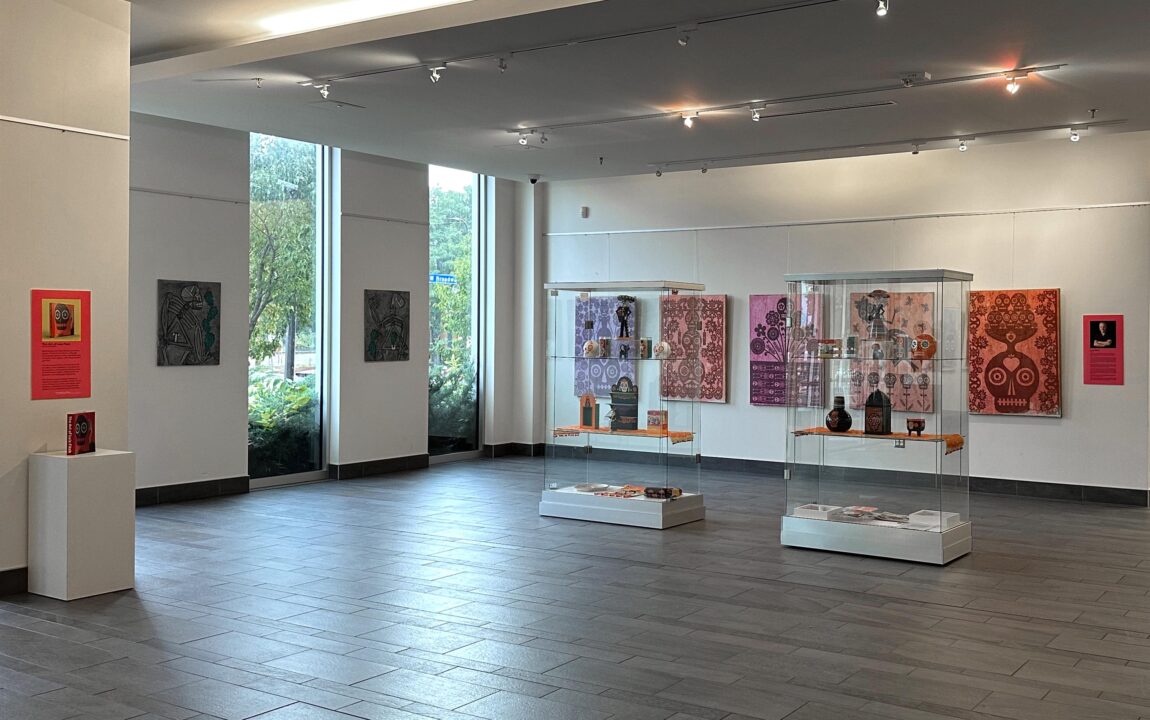
Luis Fitch: The Art of a Mexican Artist
John B. Davis Center Gallery, Minneapolis, MN
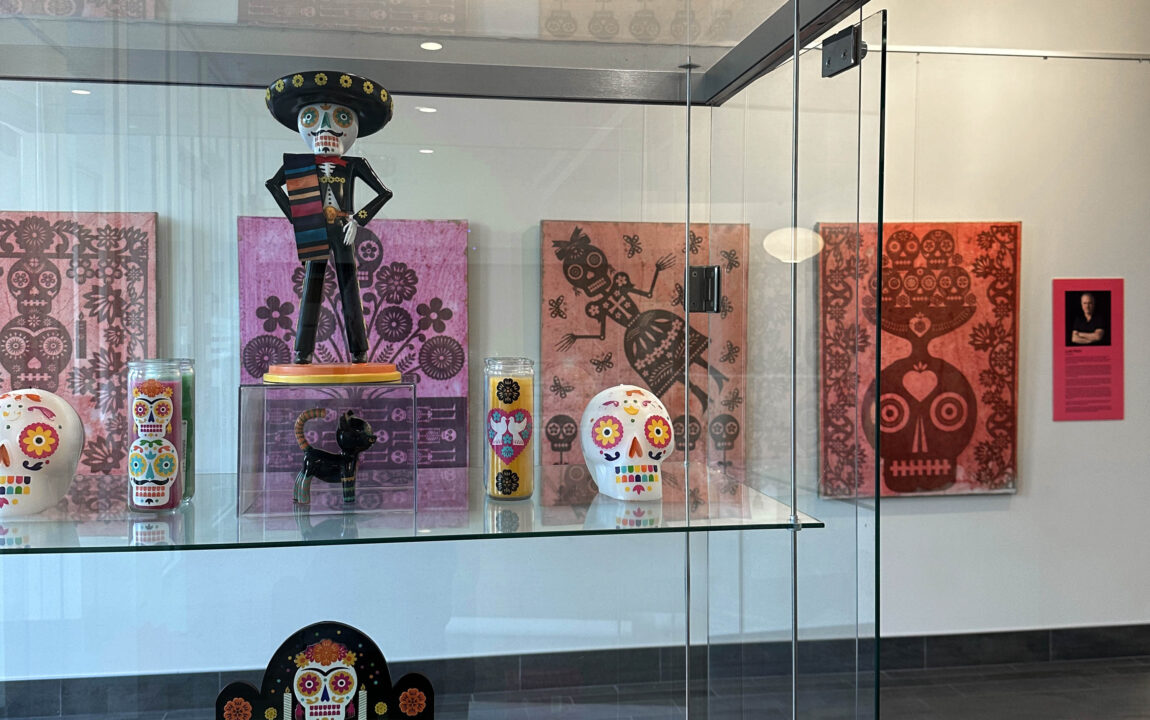
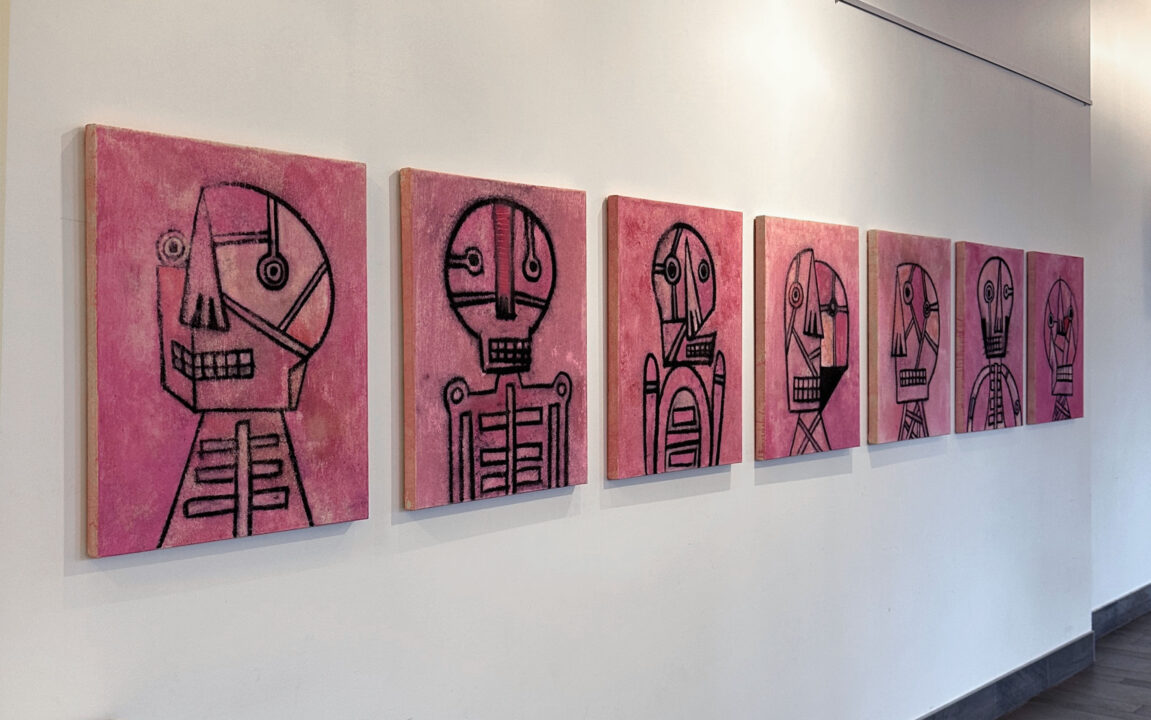
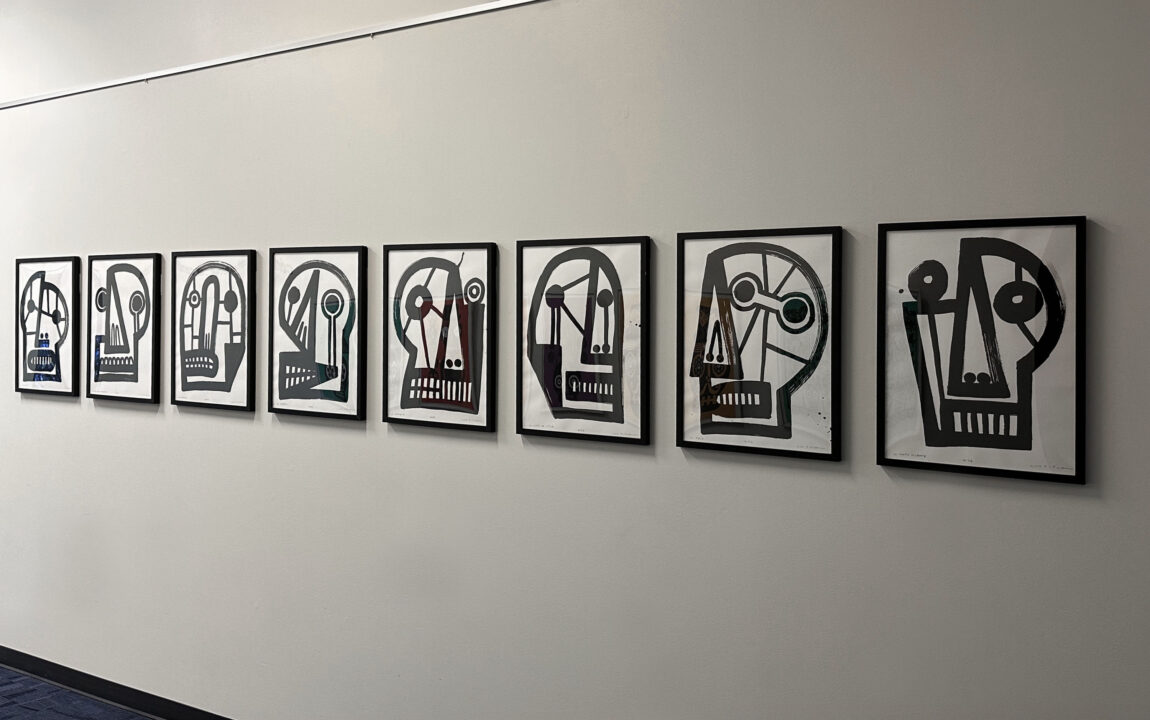
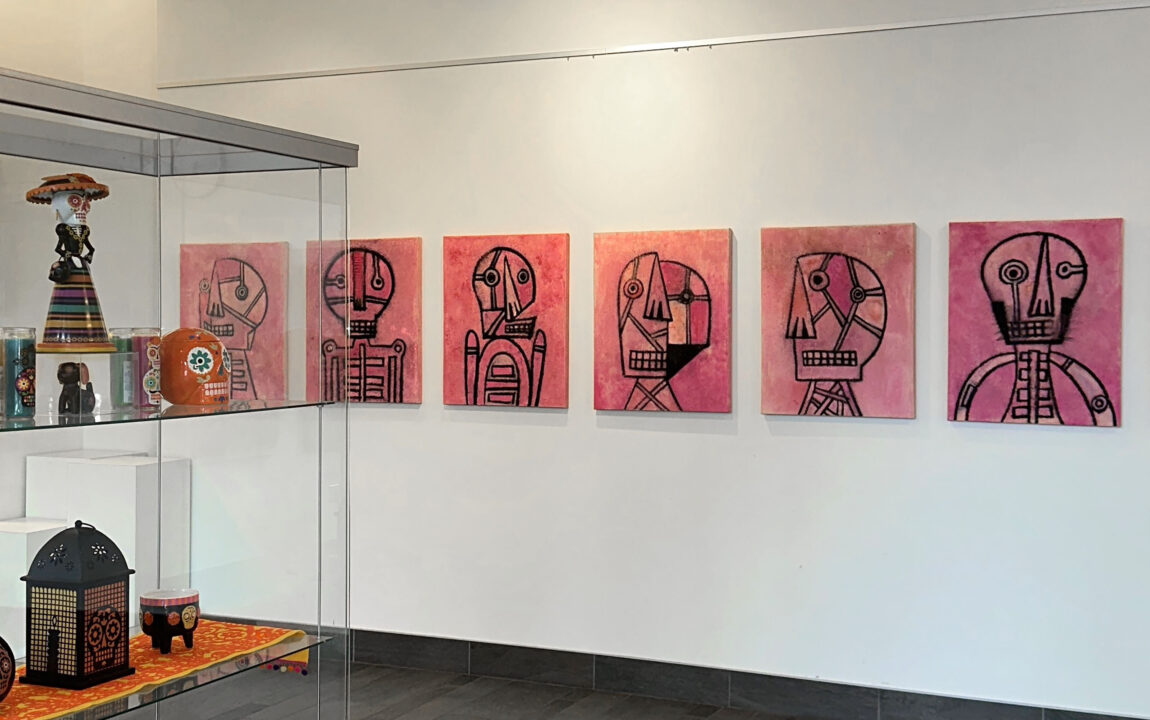
Luis Fitch: The Art of a Mexican Artist is not simply an exhibition; it is a declaration of presence, identity, and cultural continuity. Presented at the John B. Davis Center Gallery in Minneapolis, this body of work brings together a powerful constellation of visual narratives that reflect Fitch’s trajectory as a Mexican artist working within the layered realities of the United States. It is both deeply personal and expansively communal, rooted in tradition while actively shaping contemporary discourse.
From the moment one enters the exhibition, there is an undeniable sense of rhythm, color, pattern, and form operating as a cohesive visual language. Fitch’s work commands attention through its bold graphic sensibility, in which saturated palettes and symbolic compositions function not only as aesthetic choices but also as cultural signifiers. Each piece carries the weight of lived experience, drawing on Mexican visual traditions and street art practices.
Rather than presenting a singular narrative, the exhibition unfolds as a series of interconnected moments. Themes of resilience, memory, and belonging surface throughout, inviting viewers to engage with stories that are often underrepresented in institutional spaces. Fitch does not position culture as static or nostalgic; instead, he activates it, transforming heritage into a living, evolving force that adapts, resists, and redefines itself in new environments.
The curatorial approach emphasizes dialogue over chronology, allowing works from different periods and media to coexist and amplify one another. This creates a dynamic viewing experience where personal histories intersect with broader social contexts. Whether through graphic works, intimate compositions, or culturally embedded symbols, Fitch constructs a visual ecosystem that is both accessible and deeply layered.
What distinguishes this exhibition is its clarity of purpose. Fitch’s work operates as a bridge, connecting communities, histories, and perspectives that are often separated by systems and narratives of exclusion. His practice asserts that art is not peripheral; it is central to how we understand identity, power, and belonging. Each artwork becomes an entry point into a larger conversation about visibility, representation, and cultural dignity.
Luis Fitch: The Art of a Mexican Artist ultimately stands as a testament to the enduring relevance of cultural storytelling in contemporary art. It challenges viewers to reconsider the role of art in public life, not as decoration, but as a critical tool for connection and transformation. This exhibition does not invite passive observation; it urges active engagement, urging us to recognize the profound impact of art as a force that shapes both individual and collective experience.