Luis Fitch Unveils Three Large Outdoor Murals at the Newly Opened Loma Bonita Market in Richfield.
Vibrant large-scale works celebrate Mexican heritage, community pride, and the revitalization of a long-vacant landmark.
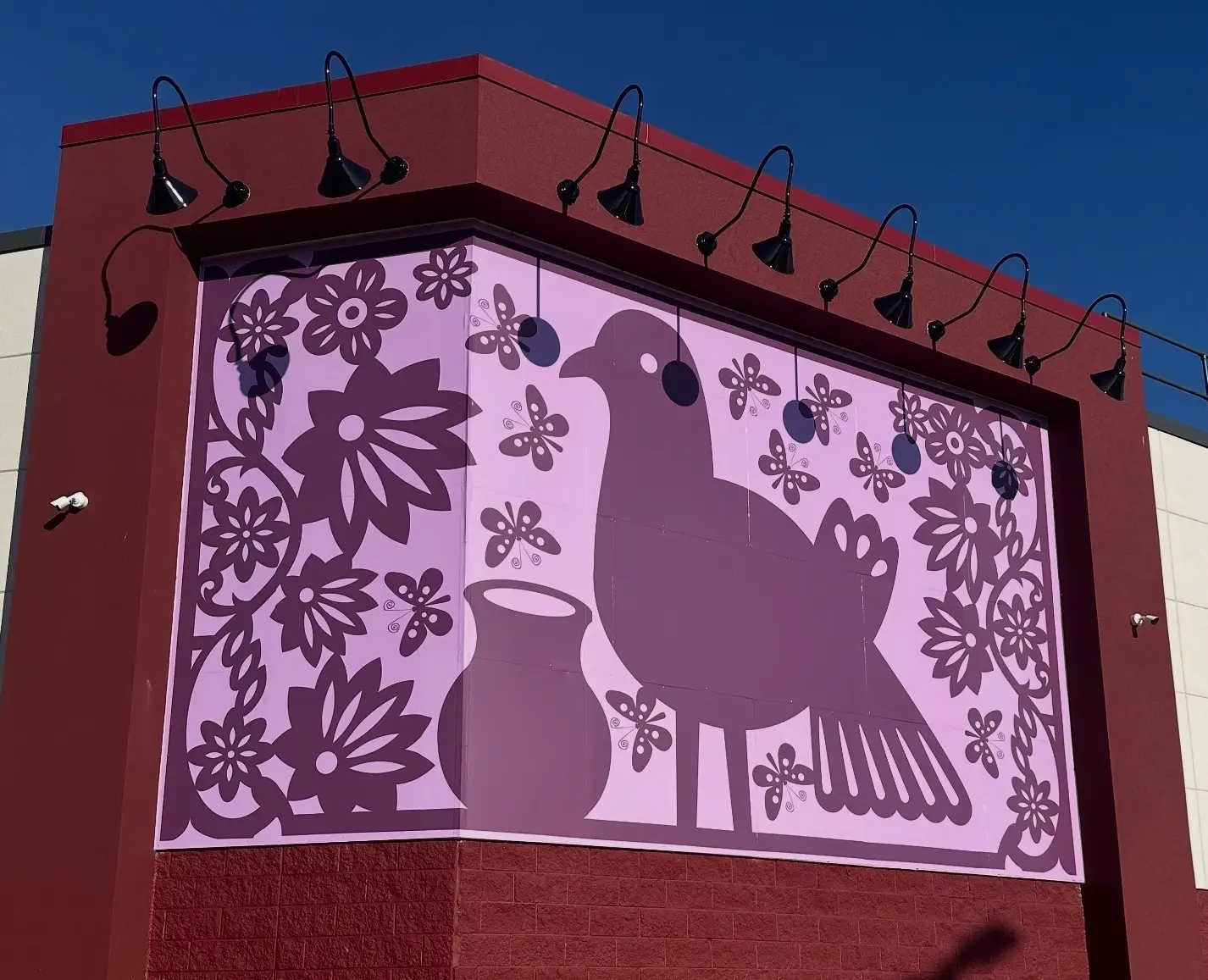
Artist and designer Luis Fitch has completed three large outdoor murals for the newly opened Supermercado Loma Bonita in Richfield, Minnesota. The artwork transforms the exterior of the former Rainbow Foods, which has been vacant since 2018, into a vibrant cultural landmark celebrating Mexican heritage, Latino flavors, and community identity.
The new Loma Bonita Market, now open at The Hub Shopping Center, is the most prominent location of the locally owned grocery chain. The 50,000+ square-foot supermarket features a bakery, butcher shop, taqueria, and a tortilleria producing fresh tortillas daily. Its arrival has quickly energized an area that had remained empty for years.
City leaders have welcomed the store as a crucial step in Richfield’s ongoing commercial revitalization.
“There’s so much excitement for this supermercado… They’re doing a lovely job improving the façade and bringing vibrancy to an area that’s been vacant since 2018,”
— Jan Youngquist, Richfield Economic Development Manager
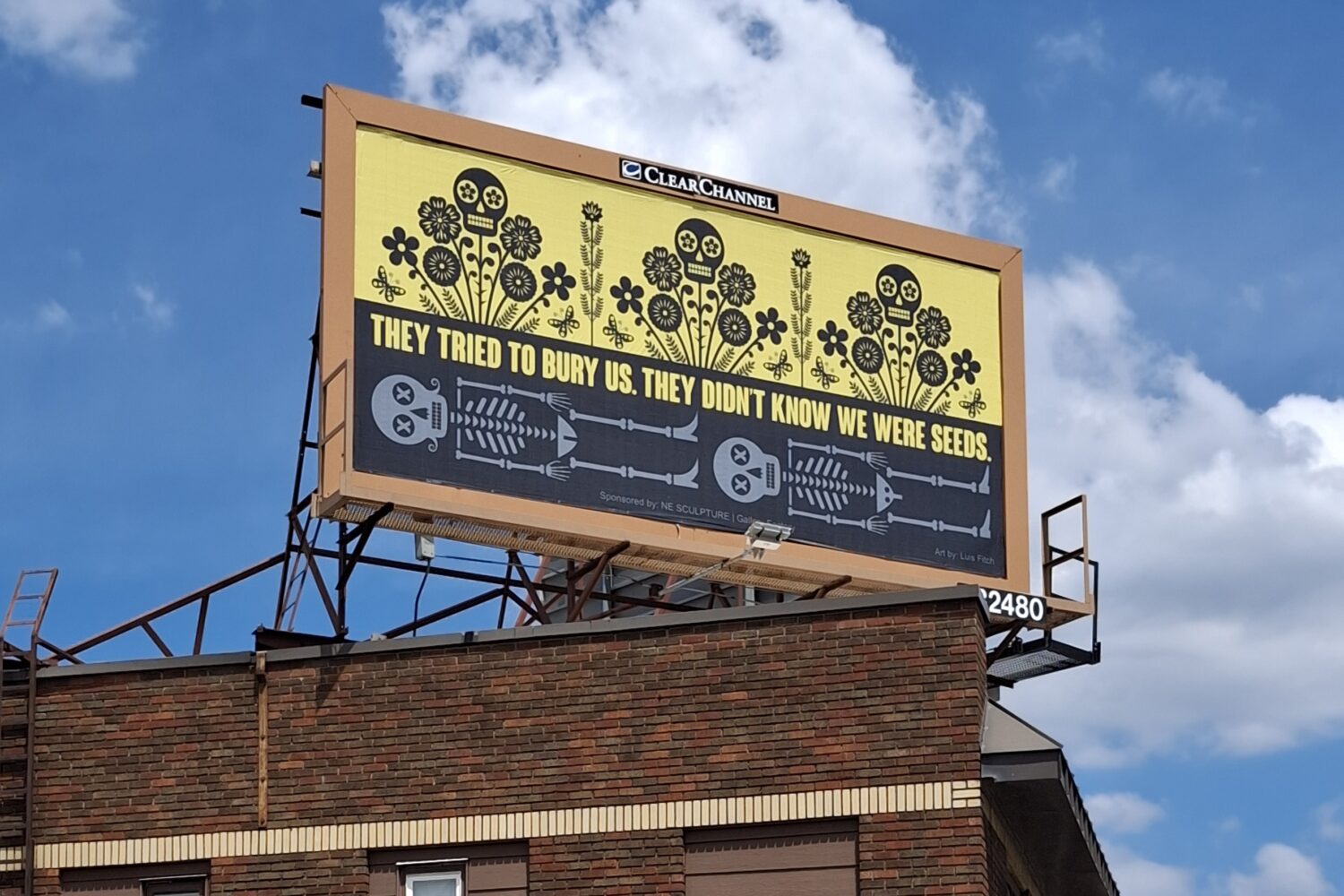
Fitch’s murals were designed to reflect the heart of the Latino community in Minnesota, using bold color, symbolic storytelling, and contemporary Mexican visual language. The series honors cultural heritage, celebrates community pride, and enhances the supermarket’s welcoming presence for both residents and visitors.
Richfield continues to diversify, with nearly 40% of residents identifying as Latino, Black, or Asian. The opening of Loma Bonita and the addition of Fitch’s murals underscore the cultural vibrancy of this evolving community and highlight the transformative power of art in shaping shared public spaces.